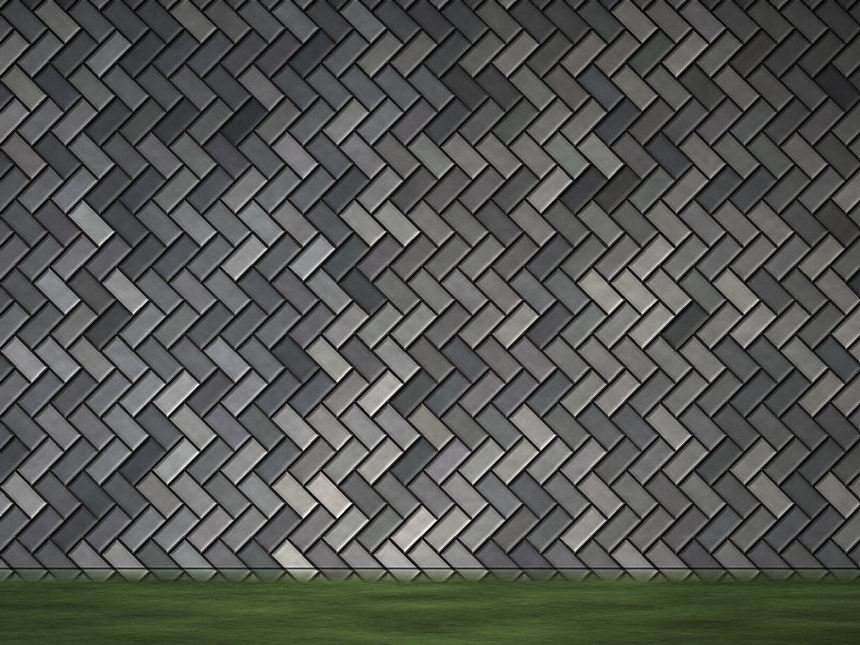
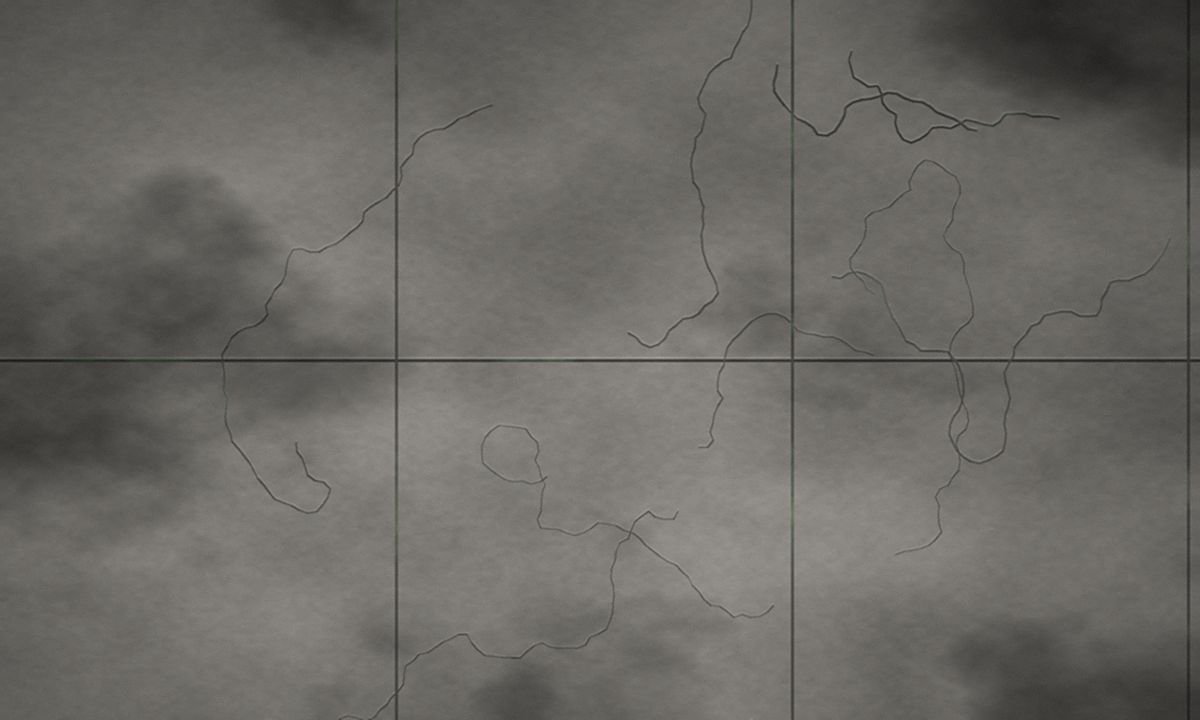
 Before
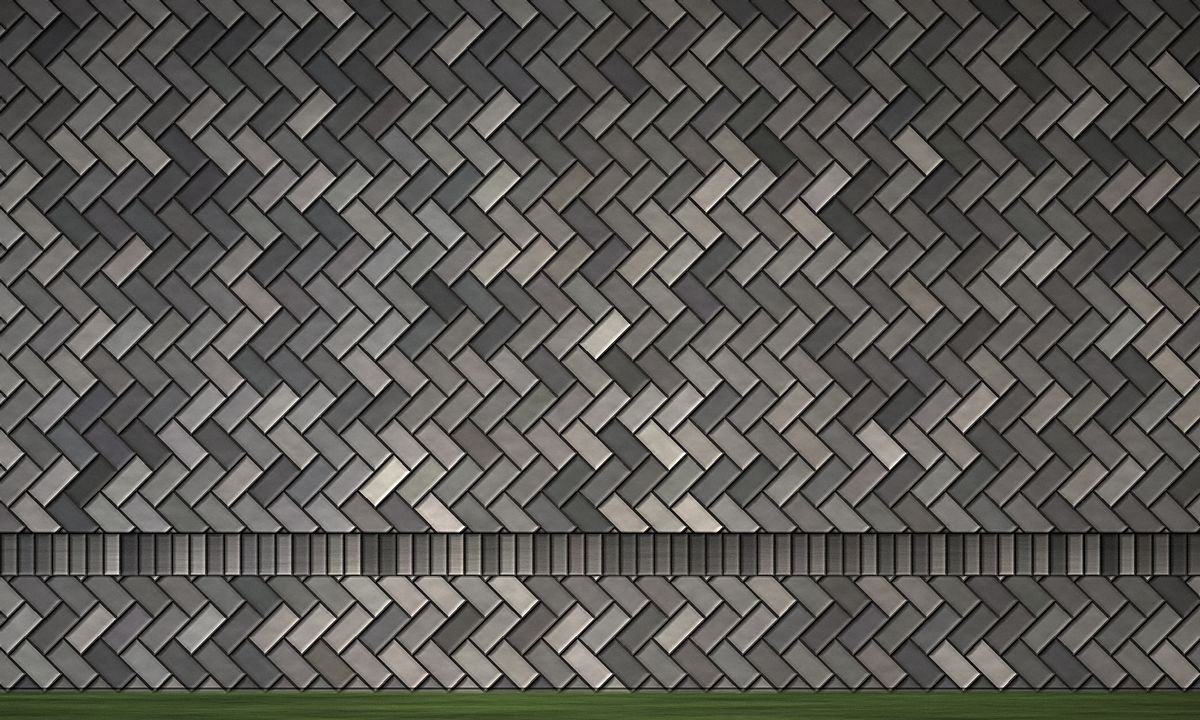
After
Before
After
What they had
A poured slab from the mid-seventies, roughly 420 square feet, cracked across the middle in two directions and pitched slightly back toward the house. The low corner held water after every storm and had started to stain the siding. Two other contractors had quoted resurfacing it.
We didn't quote resurfacing. A slab that has cracked and settled has done so because what's under it moved, and anything laid on top of it moves with it. Test holes at three points found roughly two feet of mixed fill over the original grade — almost certainly spoil from the original house excavation, never compacted.
What we did
- Broke out and hauled off the slab, plus 26 tons of the fill beneath it.
- Dug to 14 inches below finish grade, then proof-rolled the subgrade and dug out two soft spots that pumped under the plate.
- Woven geotextile across the full area, turned up at the edges.
- Eight inches of ¾" quarry process in three lifts, each compacted.
- Re-pitched the whole terrace to run away from the house at an eighth of an inch per foot, and tied the low corner into a new dry well at the property line.
- 640 square feet of 45° herringbone with a double soldier border.
- An 18-foot seat wall with a bluestone cap, and three bluestone risers down to the lawn.
Details worth noticing
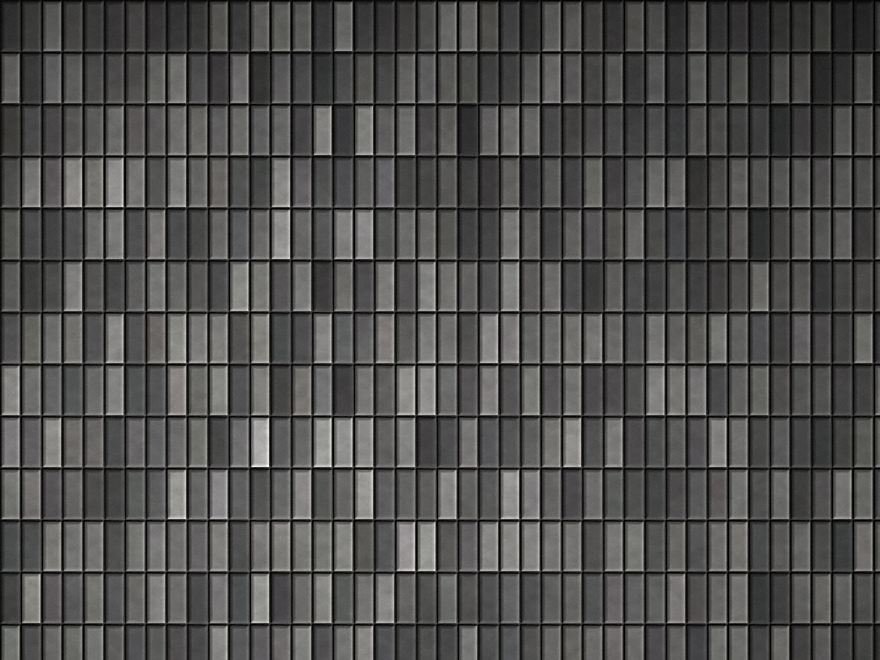
The border runs double where the terrace meets the lawn and single against the house, so the heavier line reads on the open edge where the eye actually lands. Every cut piece is more than half a unit — slivers at a border are the usual sign that the layout was set from the wrong starting line.
What the client says
They dug out fourteen inches when the other two quotes said six. Four winters in and there isn't a single low spot, including the section that runs across the old fill by the garage.
Next step
We'll mark it out on your lawn
No charge, no obligation, and you'll have a fixed price within four days of the visit.
Book a layout & estimate →